Why Choose a Cast Iron Casserole for Your Cooking Needs?
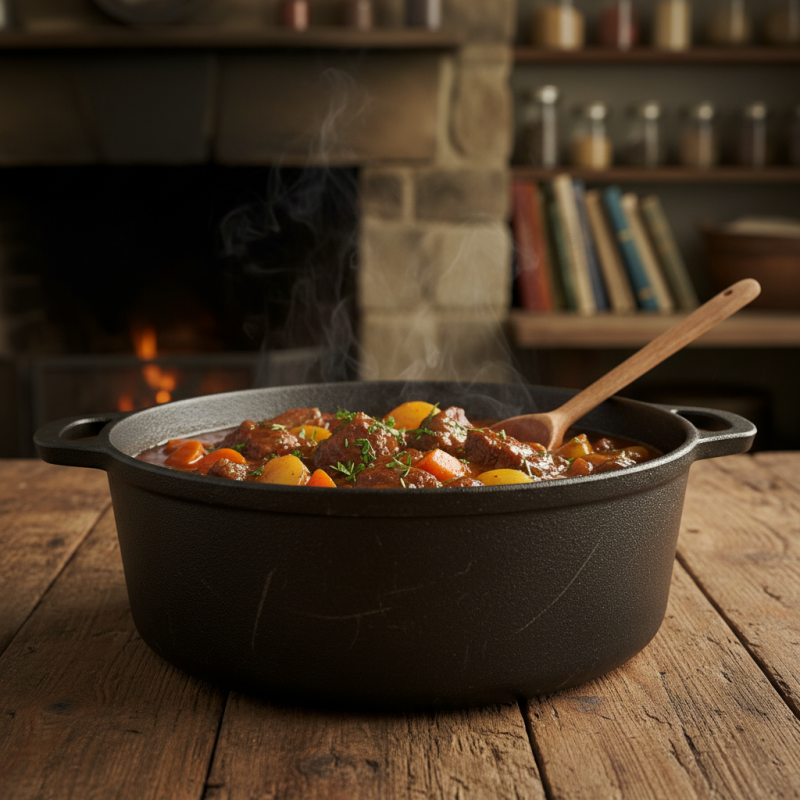
When it comes to cooking, a cast iron casserole stands out as a versatile and durable tool. Its unique properties allow for even heat distribution. This results in perfectly cooked meals, enhancing flavors in ways other cookware cannot. Imagine a hearty stew. The cast iron casserole retains heat, making every bite warm and satisfying.
Many chefs appreciate the ability to cook at high temperatures without worrying about warping or damage. It’s a reliable choice, but it requires care. The seasoning must be maintained to prevent rust. Some cooks struggle with this maintenance, leading to uneven cooking. However, with practice, the benefits of using a cast iron casserole become evident.
It’s not just about function; it’s also about tradition. A well-used cast iron casserole can tell a story. Each scratch and stain holds memories of family meals and gatherings. This connection to the past makes cooking more meaningful. Choosing a cast iron casserole, therefore, is not just a culinary decision; it’s a commitment to quality and heritage.
Benefits of Using Cast Iron for Even Heat Distribution in Cooking
Cast iron casseroles are a favorite among many cooks. They excel at even heat distribution, which is crucial for perfect cooking. When you heat cast iron, it warms up gradually. This slow heating allows every part of your dish to cook evenly. Food will not burn on one side while remaining raw on the other.
Another benefit is the heat retention. Cast iron holds heat well, which keeps your food warm longer. For stews or casseroles, this means flavors meld beautifully. But be cautious. If you forget your dish on the stove, it might overcook quickly. You may need to adjust your timing and watch it closely.
Cleaning cast iron can be tricky, too. While some love the natural non-stick surface, others struggle with seasoning. It requires care and maintenance. One small mistake can lead to rust. Yet, many find this challenge worth the effort. The results are often more than satisfying, making the time spent worthwhile.
Durability of Cast Iron Casseroles: Lifespan and Maintenance Considerations
Cast iron casseroles are known for their impressive durability. They can last for decades—some even a lifetime—if cared for properly. According to a recent industry report, the average lifespan of a well-maintained cast iron pot ranges from 30 to 50 years. This is significantly longer than alternatives made from aluminum or non-stick materials, which typically need replacing every few years.
Maintaining cast iron can be straightforward, yet it requires specific care. Regular seasoning is essential to prevent rust. Seasoning builds a natural non-stick surface. Cleaning involves avoiding soap, as it can strip this protective layer. A simple rinse with hot water and a scrub brush does the trick. However, many users struggle with this aspect. They may find the task tedious or forget about proper care. This neglect can result in an unwanted buildup of rust or food sticking.
The weight of a cast iron casserole also adds to its durability. Many find the heaviness helps with even heat distribution. However, some users might feel it's cumbersome. The initial adjustment to cooking with a cast iron piece can be a challenge. Yet, the investment pays off in flavor and longevity. In the end, the durability of cast iron casseroles makes them a worthwhile choice for any kitchen enthusiast.
Durability of Cast Iron Casseroles: Lifespan and Maintenance Considerations
This chart illustrates the durability characteristics of cast iron casseroles. The lifespan can extend up to 25 years with proper care, while regular usage might demand careful maintenance to ensure it lasts long.
Nutritional Benefits: How Cast Iron Affects Food Quality and Health
Cast iron cookware has garnered attention for its unique influence on food quality and health. Cast iron is known for its ability to retain and distribute heat evenly, promoting thorough cooking. When food is prepared in cast iron, it undergoes a subtle change. The dish absorbs some iron, an essential mineral that many people lack in their diets. This is particularly beneficial for those with anemia or high iron needs.
Cooking with cast iron can enhance the flavor of dishes too. Foods cooked in a cast iron casserole often acquire a rich, deeper taste. The seasoning on cast iron also adds complexity to the flavors. However, it's crucial to maintain the cookware properly. Seasoning can wear off over time, and food could stick. Regularly re-seasoning your pot can prevent these issues.
Tips: Always dry your cast iron thoroughly after washing. This helps to avoid rusting. Use a light coat of oil for seasoning, and heat it before cooking. Additionally, be cautious with acidic foods, as they can strip away the seasoning. While cast iron offers many benefits, improper care can lead to challenges. It’s essential to cultivate a respectful relationship with your cookware for the best results.
Versatility of Cast Iron Casseroles: From Stovetop to Oven and Beyond
Cast iron casseroles are renowned for their versatility. They transition seamlessly from stovetop to oven. You can sear meat on the stove and then transfer it to bake. This capability saves time and reduces the number of dishes used. Cooking in one pot simplifies the process.
These casseroles are excellent for slow cooking. They retain heat exceptionally well. This quality allows flavors to meld beautifully. Stews and casseroles emerge rich and delicious. However, one must be careful. The weight of cast iron can be daunting, and mishandling might lead to spills or burns.
Cleaning them can also be tricky. A simple wash may not suffice. Seasoning is needed for upkeep. Many find this maintenance challenging over time. But the rewards of cooking with cast iron can be significant. Meals prepared in these vessels often taste better. It’s worth the effort for those who embrace the journey.
Why Choose a Cast Iron Casserole for Your Cooking Needs?
| Feature | Description | Benefits |
| Material | Cast Iron | Durable and long-lasting, improves with age |
| Heat Retention | Excellent heat retention | Maintains temperature for even cooking |
| Versatility | Can be used on stovetop, in the oven, and over an open flame | Suitable for various cooking methods |
| Non-Stick Surface | When properly seasoned | Healthy cooking with less oil |
| Aesthetic Appeal | Classic, rustic look | Enhances kitchen decor; ready to serve |
| Easy Maintenance | Requires simple cleaning | Longevity with proper care |
Economic Insights: Cost-Effectiveness of Investing in Cast Iron Cookware
When considering cast iron cookware, it’s important to evaluate its economic benefits. Investing in a quality cast iron casserole can be cost-effective over time. These pieces are highly durable and resistant to wear and tear. They can last for decades, even generations. Unlike non-stick pans that may require replacement every few years, cast iron is built to endure.
The initial cost of cast iron may seem high. However, the durability reduces the long-term expense. Proper care can keep it in good condition. Maintenance involves simple steps like seasoning and avoiding harsh detergents. This contributes to its longevity, making it an economical choice in the long run.
Additionally, versatility is a factor to consider. A cast iron casserole can transition from stovetop to oven seamlessly. It allows for a variety of cooking methods: braising, baking, and even frying. This multifunctionality reduces the need for multiple cooking tools. However, there’s a learning curve for new users. It could take time to master the technique of cooking with cast iron.