How to Choose the Best Fiberglass Mesh Machine for Your Needs?
Choosing the right fiberglass mesh machine is essential for efficiency. These machines vary widely in features and specifications. Understanding your specific needs is crucial before making a decision.
Consider the purpose of the fiberglass mesh machine. Will it be used for construction, repairs, or manufacturing? Each application may require different capabilities. Evaluate the production capacity. Can the machine keep up with your demand? A machine that is too slow can lead to frustration. However, a machine that is too fast may be costly for small projects.
Quality matters as well. Look for a fiberglass mesh machine that offers durability and reliability. Machines with lower prices may seem attractive but could lead to more issues down the line. Research user reviews and seek expert opinions. Sometimes, what seems like a perfect choice may not meet real-world expectations. Make sure to take your time to reflect on your needs before making a purchase.
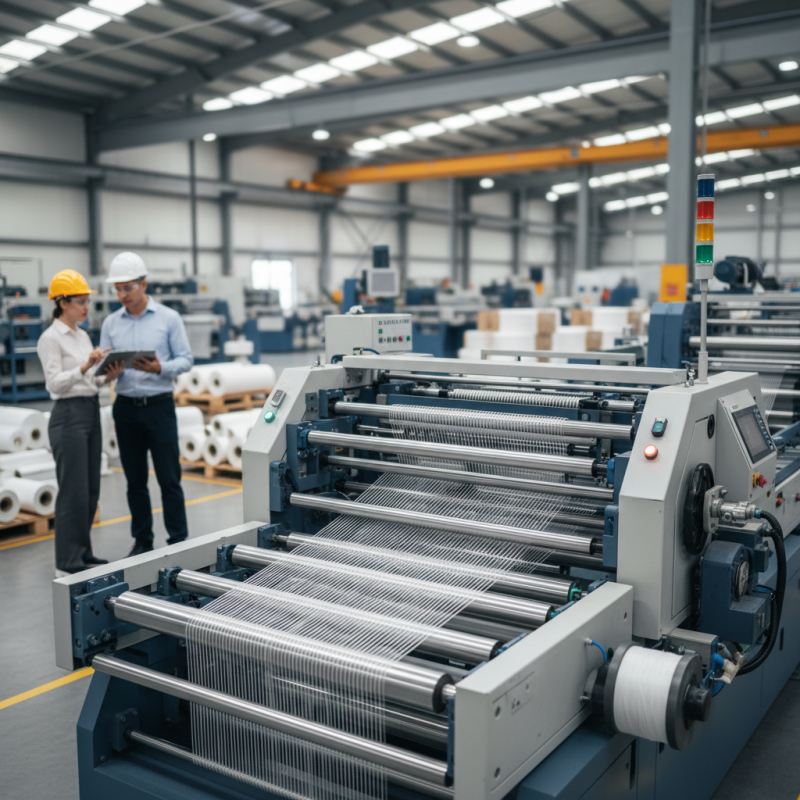
Factors to Consider When Selecting a Fiberglass Mesh Machine
When selecting a fiberglass mesh machine, several factors come into play. The production capacity is essential. Machines vary in output, ranging from 500 to 2000 square meters per hour. This will dictate your production line effectiveness. Consider your current and future needs.
The type of mesh you intend to produce also matters. Different machines handle various mesh types and weights. A reliable machine can process weights from 30 to 300 grams per square meter. Adjustability for mesh thickness enhances versatility.
Tips: Look for machines with adjustable speeds. This flexibility can help meet varying production demands. Also, maintenance requirements should not be overlooked. Regular upkeep prevents long-term costs.
Quality is crucial. Look for machines that offer precision in weaving to avoid common issues like misalignment. A good machine reduces waste, leading to savings in raw materials. Reports indicate that up to 30% waste is common in lower-quality machines. Ensure the machine aligns with industry standards.
Types of Fiberglass Mesh Machines Available in the Market
When choosing a fiberglass mesh machine, understanding the types available is crucial. There are basic machines for simple applications. These are typically manual and suitable for small production needs. However, the semi-automatic machines offer a good balance of efficiency and control. They can handle moderate workloads with ease.
Advanced options include fully automatic fiberglass mesh machines. These can produce large quantities quickly, saving time and labor costs. They often come with digital controls for precise production. Think about your production scale before selecting a machine. Evaluate your needs carefully.
**Tips:** Look for machines that can be easily maintained. Regular upkeep is essential to prolong lifespan. Consider the material compatibility. Some machines perform better with specific fiberglass types. Always read reviews on performance and reliability. Don't overlook after-sales support; it can make a difference.
Fiberglass Mesh Machine Types and Production Capacities
Assessing Your Production Needs and Capacity Requirements
When selecting a fiberglass mesh machine, understanding your production needs is vital. The capacity of your operation influences the machinery type you require. For instance, if your demand is low, investing in high-capacity systems may not be sensible. A report from the Composite Industry Association indicates machines with a capacity of 600 kg/hour are optimal for medium-scale production.
Tips: Always evaluate your future expansion plans. If you anticipate growth, consider machines with scalable options. A machine that can adapt to increased demand is a smart choice.
Pay attention to the specifics. What is your average production volume? Data suggests that many producers underestimate their requirements. Revisiting your estimates could reveal insights. A need for rapid changeover options might also be something to consider. Limited flexibility can lead to bottlenecks in your process, which affects overall output.
Tips: Monitor your current workflow carefully. Identify any inefficiencies that could be improved with better machinery. Regular assessments can highlight hidden needs and inform your final decision. Remember, the best machine fits your unique situation.
Key Features to Look for in a Fiberglass Mesh Machine
When choosing a fiberglass mesh machine, certain key features should stand out. Efficiency is crucial. Look for machines that can produce high volumes while maintaining consistent quality. A machine with adjustable speed settings can offer flexibility for different production needs. This is especially important for businesses that vary their output.
Another significant factor is the ease of operation. A user-friendly interface can save time during training. This ensures that your team can quickly adapt without technical hiccups. Additionally, consider the machine's durability. Fiberglass mesh production can be demanding, so a robust construction is essential. You don’t want to deal with frequent breakdowns or maintenance issues.
Finally, think about the technical support you'll receive. Manufacturers that offer reliable after-sales support can make a difference in your operations. Machines may require repairs or parts replacements. Having access to timely assistance can prevent costly downtimes. However, don't forget to reflect on your specific needs. A machine that's perfect for one business may not suit another. It's crucial to analyze your goals and production capacity thoroughly.
Budgeting for Your Fiberglass Mesh Machine Purchase and Maintenance
When budgeting for a fiberglass mesh machine, consider all costs. The initial purchase price is only the beginning. You must also plan for maintenance, repairs, and operational expenses. These ongoing costs can add up quickly. Take time to estimate how much you might spend yearly. Remember that well-maintained machines operate more efficiently.
Don't overlook the importance of quality. Cheaper machines may save money upfront. However, they could lead to higher long-term costs due to breakdowns. Investing in a reliable machine can pay off over time. Think about the materials needed for operation. Costs for raw materials should be included in your budget.
Evaluate your production needs carefully. A machine that fits your current requirements may not suffice later. This uncertainty leads to challenges when scaling up production. You might find yourself needing an upgrade sooner than expected. Reflect on your business goals to make informed decisions. Balancing budget and needs can be tricky, but it is essential for sustainable growth.