Choosing the right Nail Supplies can shape your salon’s quality, workflow, and customer trust. A busy nail table needs more than attractive packaging. Products must perform consistently under real working conditions.
Doug Schoon, a respected nail industry scientist, says, “The natural nail is not a tool.” This simple reminder should guide every purchasing decision. A professional should examine ingredients, safety information, manufacturer guidance, and product compatibility. Strong-smelling products may seem powerful, but odor alone does not prove performance. Check curing times, viscosity, shelf life, and storage requirements. A gel that levels smoothly can save minutes on every appointment. A reliable lamp should cure the matching system properly, not merely look bright.
Test before committing.
Ask whether the supplier provides batch details, usage instructions, and responsive customer support. Examine how products behave after several clients, not just during one impressive demonstration. Your team may prefer one brush shape, while clients may need another formula for sensitive or brittle nails. Keep clear records of product trials, including lifting, chipping, curing, and removal experiences. Small notes become useful evidence.
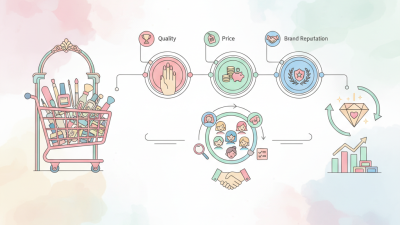
Budget matters, but the cheapest bottle may create hidden costs through rework, waste, or unhappy clients. Still, premium pricing is not automatic proof of quality. That is where judgment becomes difficult. Even experienced buyers can choose poorly when trends move quickly. A practical Nail Supplies strategy balances performance, safety, training, and consistent availability. Review the results regularly, listen to technicians, and remain willing to change your mind.
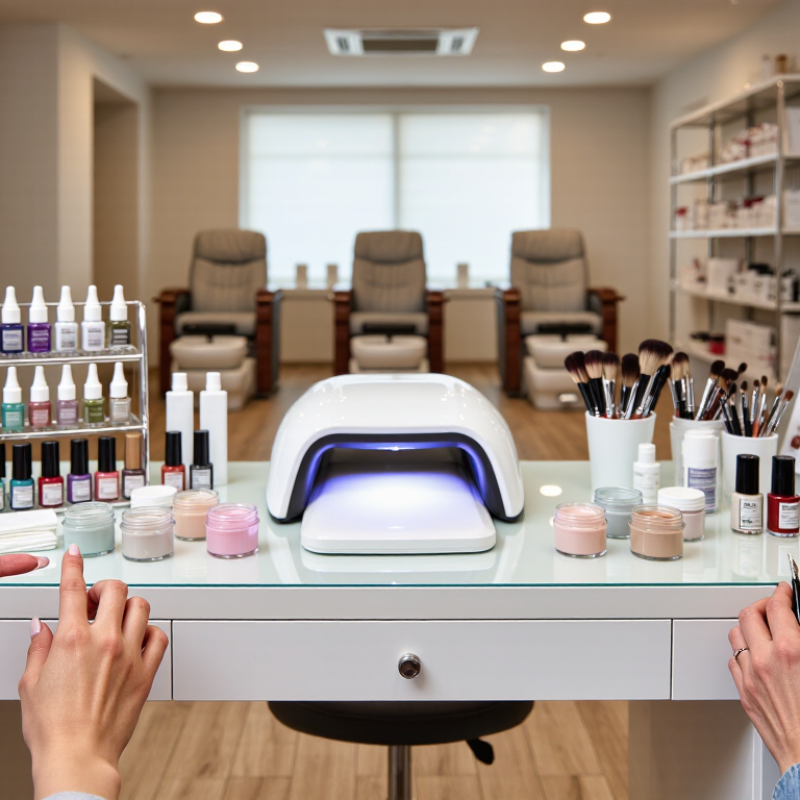
Before comparing nail supplies, define the services your business will actually provide. A salon focused on basic manicures needs different tools from one offering detailed nail art or structured extensions. Write down your weekly service mix, expected appointment volume, and the skill level of your team. These details help you estimate how much polish, files, disinfectable implements, and disposable items you need. Keep your workspace and storage in mind, too. A crowded drawer can slow down a busy appointment.
Tips: Track which products you reach for during a typical week. Note how often you replace files, brushes, and other frequently used tools. Ask technicians which items feel comfortable during back-to-back appointments. Small observations can prevent unnecessary bulk orders.
Set clear goals for the customer experience. You might prioritize quick, consistent services, creative designs, or a wider range of options for different nail conditions. Then check whether each supply supports that goal and suits your team’s current training. Choose products with clear usage instructions and reliable safety information, and follow their directions for use and storage. It is tempting to stock every color at once. I have found that a smaller, well-used selection can be easier to manage, though predicting demand is not always perfect. Keep notes on popular shades, service times, and products that sit unused.
Example planning scores (1 = low priority, 5 = high priority). Rate each factor for your own services and goals to help prioritize supply choices. Hygiene, service quality, inventory reliability, budget, and growth plans can all influence what your business needs.
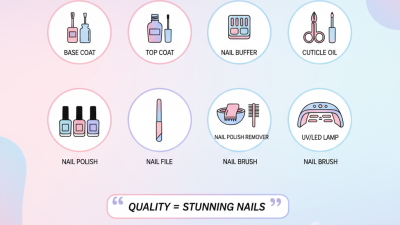
Choosing nail supplies starts with the service menu, not a crowded shopping cart. Essential categories include gel or lacquer systems, base and top coats, files, buffers, brushes, lamps, gloves, disinfectants, and disposable liners. Each category should support a clear service standard. Allied Market Research valued the global nail polish market at approximately USD 14.1 billion in 2021 and projected it to reach USD 22.1 billion by 2031. Demand is growing, but growth does not justify buying every new product.
Product performance needs practical testing. Check curing instructions, viscosity, removal time, shelf life, and compatibility between layers. A lamp should cure the selected system evenly, not merely look powerful. Keep files and buffers organized by use. Replace worn tools before they create uneven surfaces. Cleaning must come before disinfection, and the disinfectant must remain wet for its stated contact time, according to CDC infection-control guidance. Small details matter.
Inventory control protects profit. Record usage for each service and calculate product cost per client. I still overbuy decorative colors sometimes. That money could support better lighting or replacement tools. Review slow-moving supplies every month. Store liquids away from heat and direct sunlight. Ask technicians to document lifting, peeling, or irritation patterns. One weak product can damage trust, even when the application was careful. A short trial period is wiser than a large first order.
Choosing nail supplies requires more than attractive packaging. Product quality should be consistent from one batch to another. Check the ingredient list, batch number, expiry date, and storage instructions. A professional supplier should provide safety data sheets and test documentation. ISO 22716 offers useful guidance for cosmetic manufacturing and quality control. However, certification alone does not guarantee excellent salon performance.
Safety deserves closer attention. The U.S. Occupational Safety and Health Administration estimates that about 32 million workers handle potentially hazardous chemicals across 650,000 products. Nail technicians should read each Safety Data Sheet before use. Confirm ventilation requirements, curing instructions, skin-contact warnings, and recommended protective equipment. The U.S. Food and Drug Administration also explains that cosmetics generally do not receive pre-market approval. “Non-toxic” wording is not enough evidence. Keep products sealed, labelled, and away from heat or direct sunlight.
Performance needs practical testing. Apply the product to sample tips before using it on clients. Record curing time, surface hardness, adhesion, shine, and removal effort. Test the same formula under the exact lamp used in your salon. A thick layer may feel strong but cure unevenly underneath. A fast formula may save minutes and create more lifting. My buying checklist is not perfect; client nail types, humidity, and technician technique can change results. Review failed sets after seven to fourteen days, including chips, cracks, allergies, and lifting. Small records often reveal more than a confident sales claim.
A low unit price does not always mean a lower cost. Compare the delivered price per usable item, including shipping, storage, and likely waste. Track how quickly core supplies move, then compare monthly spending with your actual service volume. Small details matter.
A reliable supplier should provide clear product specifications and consistent quality. Ask how damaged shipments, backorders, and substitutions are handled before placing a large order. When practical, test samples during regular services. Check how a gel applies under your lamp, or whether a file holds up after repeated use. Catalog photos tell you little. Keep brief notes on performance and reorder results; memory can be unreliable.
Choose an ordering option that fits your cash flow and storage space. Smaller, frequent orders can reduce excess stock, but shipping fees may add up. Bulk orders may lower unit costs, yet leave money tied up in products that move slowly. Review minimum quantities, delivery estimates, and reorder flexibility. A simple stock sheet helps, though it will not catch every surprise. I would leave a modest buffer for popular shades and disposable items, then adjust it after a few months of real sales.
How to Choose the Best Nail Supplies for Your Business?
Selecting nail supplies should begin with controlled testing, not attractive packaging. Grand View Research valued the global nail polish market at approximately USD 14.8 billion in 2022, with continued growth expected through 2030. This expansion increases product choices, but it also increases purchasing mistakes. Test one product on several nail types. Record curing time, coverage, odor, removal effort, and client feedback. Use the same lamp, application thickness, and technician whenever possible. Small changes can distort results. I once approved a color after one successful service. It later chipped within days. That was poor testing.
Organize supplies by service type, frequency, and expiry date. Keep gels, liquids, tools, and disposable items in clearly labeled sections. A simple spreadsheet should track purchase date, batch number, cost, and remaining quantity. IBISWorld’s nail salon industry analysis identifies labor and product costs as important operational pressures. Overstocking can therefore reduce cash flow, even when unit prices appear attractive. Store safety information with each chemical product. OSHA’s Hazard Communication Standard emphasizes accessible labels and safety data sheets. Keep them practical. Do not hide them in a drawer.
Reassess supplies every four to eight weeks. Compare actual usage with your forecast, then remove products that create repeated service problems. Review breakage, curing failures, allergic reactions, and client requests with care. Not every complaint proves a product is defective. Technique may be involved. Still, repeated patterns deserve investigation. My own records are imperfect, and some entries are rushed. That weakness matters. A reliable system improves only when the team records uncomfortable results honestly.
Sample salon inventory plan: Use these example quantities and review intervals as a starting point, then adjust them to your service volume, supplier lead times, product instructions, and local regulations.
| Supply Category | What to Test or Check | Example Tracking Data | Organization and Reorder Rule | Reassessment Schedule |
|---|---|---|---|---|
| Base coats, top coats, and gel colors | Apply to a sample nail tip using the product’s stated preparation and curing instructions. Check application, cure, finish, and wear during normal service follow-up. | Track shade or product type, date opened, services used, client feedback, and any lifting or curing concerns. Example: 8 services per week for a frequently used shade. | Store tightly closed as directed by the manufacturer. Use a first-in, first-out system and follow the product label for storage and use-by guidance. Reorder when stock reaches about 2 weeks of average use. | Review performance monthly and whenever a product, lamp, or service process changes. |
| UV/LED nail lamps | Confirm compatibility with the gel system’s instructions. Check lamp operation, timer settings, cleanliness, and the condition of bulbs or LEDs. Follow the product manufacturer’s curing guidance. | Record lamp location, service date, timer function, and any reported under-curing. Example: inspect each lamp at the start of every workday. | Keep lamps clean and unobstructed. Maintain a backup curing option if the salon’s service volume requires one. | Check daily; document a more detailed function and condition review monthly. |
| Files and buffers | Check abrasives for wear, contamination, damage, and suitability for the intended service. Use disposable items according to local infection-control requirements. | Track units used per week. Example: 30 services per week using one disposable file per service requires approximately 30 files weekly, plus a small reserve. | Separate clean, ready-to-use items from used or discarded items. Reorder when on-hand stock falls below one week of expected use. | Check stock weekly and review usage every month. |
| Nail tips and forms | Check size range, fit, flexibility, packaging condition, and suitability for the services offered. Trial new items on several nail shapes before adopting them widely. | Record sizes used most often, sets completed, and sizes frequently missing. Example: review size usage after 20 services. | Keep sizes in labeled compartments and refill the most-used sizes first. Reorder when a high-use size reaches the salon’s agreed minimum quantity. | Review size demand monthly and after a change in service menu. |
| Disinfectant and cleaning supplies | Check that the product is appropriate for its intended use and follow its label for dilution, surface compatibility, and contact time. Do not substitute an unapproved concentration. | Record opening dates, preparation dates where applicable, and stock levels. Example: check ready-to-use supplies at opening and closing. | Store as directed on the label, clearly separate from nail products, and keep instructions accessible. Reorder before stock reaches the supplier’s lead-time requirement. | Check daily for availability; review label instructions and stock monthly. |
| Gloves and protective supplies | Check size, fit, packaging integrity, and suitability for the task. Replace gloves between clients or sooner if damaged, contaminated, or required by the procedure. | Track boxes used per week and preferred sizes. Example: compare weekly usage with the previous month to spot changes in service demand. | Store in a clean, dry area and keep sizes clearly labeled. Set a reorder point based on average weekly use and delivery lead time. | Check stock weekly and review size mix monthly. |
| Lint-free wipes and disposable applicators | Check that items are clean, intact, and suitable for the intended service. Discard single-use items after use. | Record packs opened and estimated weekly consumption. Example: set a weekly usage baseline after tracking four weeks of normal operations. | Keep sealed packs in a dry, clean storage area. Reorder when remaining stock covers the lead time plus a small safety reserve. | Review consumption monthly and adjust for seasonal changes in bookings. |
| Cuticle and skin-care products | Check packaging, dispensing function, consistency, and label instructions. Stop using any product that appears changed or is outside its stated use period. | Track opening date, product type, client feedback, and average usage per week. | Store according to label directions, keep applicators clean, and rotate stock so older eligible inventory is used first. | Inspect during weekly stock checks and review client feedback monthly. |
| Overall inventory and supplier performance | Compare product performance, service suitability, delivery reliability, and total cost per use. Test new supplies on a limited scale before switching salon-wide. | Example metrics: weekly usage, days of stock on hand, delivery lead time, damaged units, and product-related service complaints. | Use a dated inventory sheet with minimum and reorder quantities. Keep safety stock for essential items based on demand and delivery time. | Conduct a brief weekly stock check and a full assortment review every quarter. |