What are Flexible Intramedullary Nails and their Benefits?
Flexible Intramedullary Nails have revolutionized orthopedic surgery. Dr. Emily Carson, a leading expert in this field, states, “These nails provide unmatched stability and support for fractured bones.” Their design allows for minimally invasive surgeries, reducing recovery time and pain intensity.
The benefits are significant. Surgeons can align bones more effectively, leading to improved healing outcomes. Flexible Intramedullary Nails are particularly useful in pediatric cases. They adapt to the natural shape of the bone, minimizing complications. However, it’s essential to consider the possible challenges. Not all fractures are suitable for this technique.
Patients often wonder about long-term effects. While most outcomes are positive, some may experience stiffness or discomfort. Understanding these factors is crucial for informed decisions. Flexible Intramedullary Nails represent a blend of innovation and practicality in modern medicine. With ongoing research, the future looks promising.
Definition of Flexible Intramedullary Nails
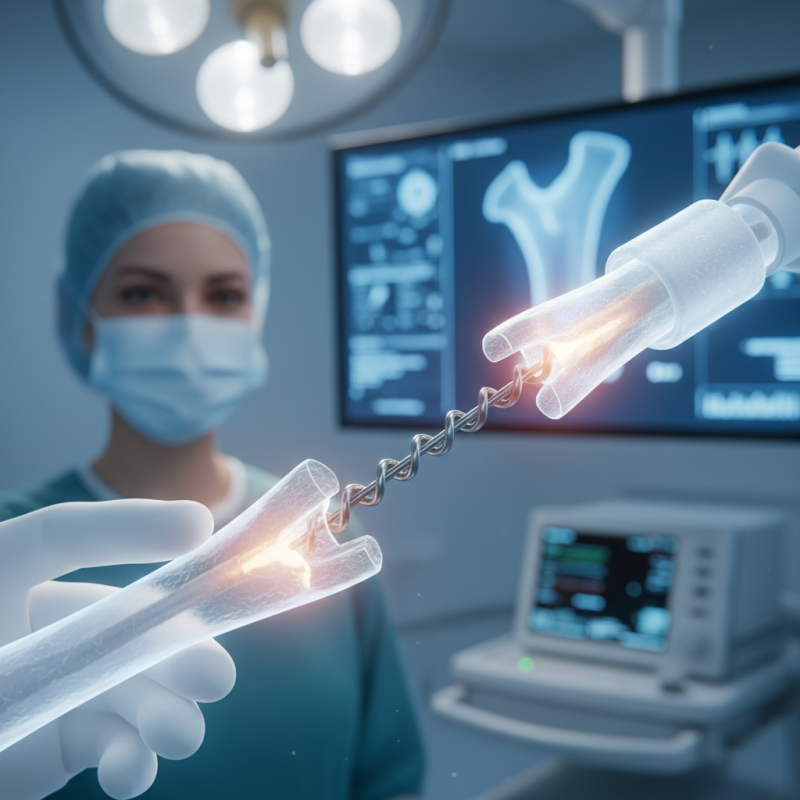
Flexible intramedullary nails are specialized tools used in orthopedic surgery. They are designed for stabilizing fractures, particularly in long bones. These nails are thinner, allowing them to fit within the bone's medullary canal. Their flexibility enables them to absorb stress, providing crucial support during the healing process.
One key benefit of these nails is their minimally invasive nature. Surgeons can insert them through small incisions, resulting in less trauma to surrounding tissues. This often leads to faster recovery times for patients. The design of flexible intramedullary nails allows for better alignment of fractured bones. Yet, ensuring proper placement can be challenging and requires skilled hands.
Despite their advantages, these nails may not suit every patient. Some individuals may experience discomfort or complications. Regular follow-ups are essential to monitor healing and check for any issues. The learning curve for surgeons can be steep. Ongoing education and practice are necessary to master this technique effectively.
What are Flexible Intramedullary Nails and their Benefits?
| Feature | Description | Benefits |
| Material | Made from flexible titanium or stainless steel | Provides strength while allowing natural movement |
| Insertion Technique | Minimally invasive insertion through a small incision | Reduces recovery time and minimizes complications |
| Weight | Lightweight design | Reduces strain on the bone during healing |
| Flexibility | Can bend to accommodate the bone's curvature | Improves overall stability and alignment |
| Biocompatibility | Safe for the body; low risk of rejection | Ensures better integration and healing |
| Post-Operative Pain | Less post-surgical pain compared to rigid nails | Enhances patient comfort and satisfaction |
Historical Development of Intramedullary Nailing
Intramedullary nailing has seen significant evolution since its inception. The concept emerged in the late 19th century. Early pioneers aimed to find effective solutions for complex fractures. Initially, materials used were rudimentary and often inadequate. Surgeons faced various challenges, such as infection and improper alignment, due to limited technology. Over time, designs evolved to address these issues.
By the mid-20th century, intramedullary nailing gained widespread acceptance. New materials, like stainless steel, offered enhanced strength and flexibility. This shift improved surgical outcomes significantly. However, the learning curve remained steep for many practitioners. Some still struggled with the correct insertion technique, while others reported inconsistent results. The debates around implantation strategies are still ongoing, highlighting the need for more training.
Today, flexible intramedullary nails offer an advanced option. They adapt to the unique contours of bones, providing better stability. Yet, complications can still arise, such as the potential for nail breakage or migration. Continuing research is essential to refine techniques and materials. Surgeons must remain vigilant and adaptable, continually learning to optimize patient care.
Indications for Using Flexible Intramedullary Nails
Flexible intramedullary nails are specialized devices used in orthopedic surgery. They are particularly effective for treating specific types of fractures. Their design allows them to be inserted into the marrow canal of bones, providing internal support. This method can lead to faster healing and better alignment.
Indications for using flexible intramedullary nails include pediatric fractures, especially in the long bones. These nails are ideal for situations where traditional plates or screws may not work well. Many surgeons prefer them for simple and stable fracture patterns. The versatility of these nails allows for treatment in various anatomical locations.
Surgeons consider factors like patient age and fracture type before using them. However, there can be challenges with alignment and fixation. Some cases require additional imaging during the procedure. This can complicate the surgery, leading to longer operation times. Despite the benefits, one must evaluate when to use flexible intramedullary nails carefully. Each situation is unique and requires thoughtful consideration.
Advantages of Flexible Intramedullary Nails Over Other Fixation Methods
Flexible intramedullary nails are becoming a popular choice for treating certain fractures. They offer various advantages over traditional fixation methods. One significant benefit is their ability to align easily with the natural curvature of the bone. This feature helps to maintain the bone’s stability during the healing process.
Another key aspect is the reduced soft tissue damage. Flexible nails are inserted through smaller incisions, which means there's less trauma to surrounding tissues. This can promote faster recovery times for patients. Additionally, they allow for better movement post-surgery. Patients often find that they can engage in physical therapy sooner.
However, it’s important to consider some challenges. Not all fracture types are suitable for flexible nails. Surgeons must carefully evaluate each case. There can also be a learning curve for surgeons who are new to this technique. Misplacement of the nails or incomplete fixation can lead to further complications. While flexible intramedullary nails provide many benefits, thoughtfulness in their application is crucial for optimal outcomes.
Post-Operative Considerations and Care with Flexible Intramedullary Nails
Post-operative care is crucial after the placement of flexible intramedullary nails. These devices provide stability to fractured bones, especially in pediatric patients. However, complications can arise. Approximately 10-20% of patients may experience post-operative infections or malalignment. Proper wound care and monitoring are essential to mitigate these risks.
Pain management is another critical consideration. Patients often report moderate to severe pain during the first few days post-surgery. Effective pain control improves recovery. Research shows that up to 30% of patients might require additional analgesics beyond the initial prescription. Regular assessments can help guide treatment adjustments.
Rehabilitation plays a vital role in recovery. Early mobilization can enhance healing and reduce stiffness. However, surveillance for complications like osteomyelitis is necessary. Studies indicate that a structured rehab program can improve function significantly. Awareness of potential pitfalls is crucial for both patients and healthcare providers. Communication is key in ensuring a successful recovery journey with flexible intramedullary nails.
Benefits of Flexible Intramedullary Nails in Orthopedic Surgery