What is a Hollow Bit and How is it Used in Drilling?
In the drilling world, a tool called a Hollow Bit plays a crucial role. This tool allows for efficient drilling in various materials. Hollow Bits are specially designed with a cylindrical shape, creating a clean hole in the surface. They remove material while simultaneously allowing for the collection of debris. This design makes them ideal for tasks where precision is key.
Using a Hollow Bit is not without challenges. Operators must choose the right size and material for their specific task. Incorrect choices can lead to inefficiency and damage. The process can sometimes be complex, requiring practice to master. Yet, the benefits are significant. With proper use, Hollow Bits can enhance productivity and ensure accuracy. They are widely used across multiple industries, from construction to woodworking.
Understanding Hollow Bits is an ongoing journey. Each experience adds to a user’s skill. Mistakes are common, but they provide valuable lessons. Embracing the learning process is vital. Ultimately, mastering the use of a Hollow Bit can elevate one’s drilling capabilities. This tool holds great potential for those willing to invest time and effort.
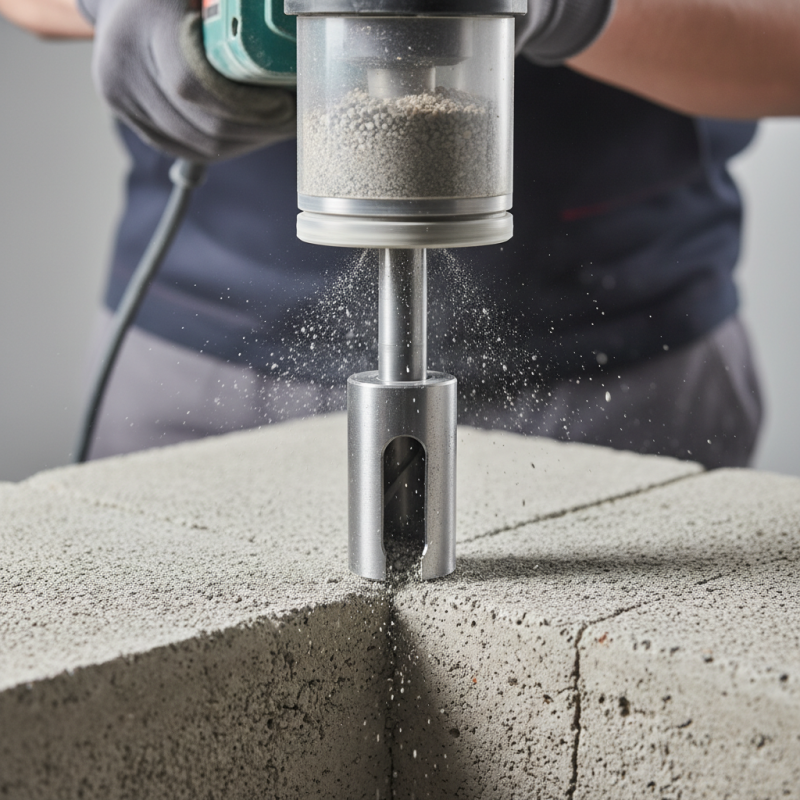
What is a Hollow Bit? An Overview of Features and Design
Hollow bits, often used in drilling, are distinctive tools. They feature a cylindrical design with an internal passage. This allows material, like water or air, to flow through while drilling. Their design enhances cooling and removes debris, making the process efficient.
These bits come in various sizes. Some have specialized teeth for different materials. The choice of a hollow bit significantly impacts drilling outcomes. However, users may face challenges. Not all hollow bits perform well in every scenario. Sometimes, specific projects require testing different bits to find the right fit.
Understanding how to use hollow bits effectively is crucial. Incorrect usage can lead to wasted effort and resources. Drill depth, speed, and pressure all play a role. A well-suited hollow bit can make tasks easier, but even minor mistakes can cause issues. Proper knowledge and experience are vital for optimal results.
Essential Components of Hollow Bits Used in Drilling Applications
Hollow bits are crucial tools in drilling, featuring a unique design that allows efficient material removal. They are primarily composed of a cylindrical body, a cutting edge, and a hollow center. This design enables the rapid extraction of material during drilling. Reports from industry experts reveal that hollow bits can improve drilling efficiency by up to 30%. With the hollow center, debris is quickly cleared, enhancing the drilling speed.
The construction materials of hollow bits often include high-strength steel and carbide for extended durability. These materials resist wear and tear, but they are not invincible. Improper usage can lead to rapid degradation. A study indicated that more than 10% of drilling failures stem from the poor selection of bit types. Understanding the components helps in choosing the right hollow bit for specific applications, such as geology or construction.
Another essential element is the bit's diameter, which affects drilling depth and speed. For example, larger diameters may provide faster drilling but can compromise precision. Research shows that misalignment in drilling can increase costs by up to 25%. Selecting the right size and type of hollow bit is essential for effectiveness. However, users must often rethink their choices to adapt to different drilling conditions.
Drilling Techniques: How Hollow Bits Function in Various Materials
Hollow bits are essential tools in the drilling industry. They are designed with a central void that allows them to create holes while removing material. This unique feature enables the drilling of deep and precise holes in various materials, such as wood, metal, and concrete. The ease of use and efficiency of hollow bits make them ideal for many drilling projects.
When using hollow bits, their performance varies depending on the material. For instance, in softwood, these bits create clean holes with minimal splintering. In steel, however, they require more force and precision. The cutting edges must stay sharp to avoid overheating and damaging the bit. In tough materials, drilling can be challenging and might lead to incomplete holes. Reflection on technique and tool maintenance is key to achieving the desired result.
Moreover, using hollow bits can sometimes produce unexpected outcomes. A bit may break or become stuck, especially in harder materials. Drillers might face difficulties judging the right pressure needed. Experience teaches how to navigate these challenges. Drilling with hollow bits is not always straightforward, but the results can be rewarding. Understanding the bit's behavior in different materials leads to better drilling practices.
Advantages of Using Hollow Bits in Construction and Manufacturing
Hollow bits are essential tools in drilling. They serve a unique purpose in construction and manufacturing. These bits feature a cylindrical shape with a central opening, allowing for efficient cutting. When drilling through various materials, they remove cores, creating clean holes. This is particularly valuable when precision is required.
One major advantage of using hollow bits is their ability to minimize waste. The core removed can be utilized for other applications or recycled. This efficiency can lead to significant cost savings in large projects. Additionally, hollow bits can penetrate hard materials. They maintain their sharpness longer than traditional bits, which can reduce downtime. However, they require proper handling. Misuse can lead to quick wear or breakage.
Another point to consider is the learning curve for users. While hollow bits are beneficial, not all operators are familiar with them. Proper training is crucial to maximize the advantages they offer. Without it, mistakes can happen. Overall, while hollow bits provide clear benefits, understanding their use is essential for success.
Common Applications of Hollow Bits in Industry and Geotechnical Fields
Hollow bits are specialized drilling tools widely used in various industries and geotechnical fields. Their unique design allows for efficient cutting and removal of materials, making them ideal for many applications. These bits create a core sample while drilling, useful for geological studies. They help geologists understand subsurface conditions, which is crucial for construction projects.
In construction, hollow bits are essential for installing foundations. They allow engineers to obtain soil samples, ensuring the site is suitable for building. This can prevent costly mistakes later in the process. In the oil and gas industry, hollow bits aid in exploration. They help in assessing the viability of drilling sites. However, improper use can lead to sample contamination.
Another important application is environmental monitoring. Hollow bits can reach various depths, collecting samples from contaminated areas. This helps determine the extent of pollution. It’s a complex process, though. Each drill site presents unique challenges. Drillers must adapt techniques and tools accordingly. Even experienced operators can face difficulties. Proper training and adherence to safety protocols are essential.