Leave Your Message
-
Phone
-
E-mail
-
Whatsapp

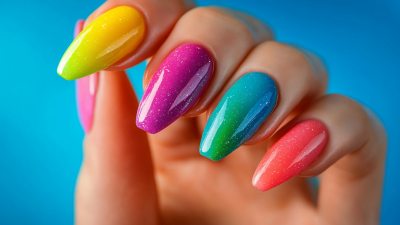
Nail Gel Polish has moved far beyond a single glossy coating. Today, the market includes soft gel polish, hard gel, builder gel, rubber base gel, cat-eye gel, magnetic gel, glitter gel, chrome gel, sheer gel, and temperature-changing gel. Each type creates a different surface, finish, or level of support. Some work best for thin, flexible nails. Others suit structured overlays or dramatic nail art.
Doug Schoon, a respected cosmetic chemist and nail industry educator, reminds professionals, “The natural nail is not a piece of plastic.” His observation helps frame this guide. Nail Gel Polish should be selected according to nail condition, product chemistry, application technique, and lamp compatibility. A beautiful color means little if the coating lifts, cures unevenly, or causes unnecessary filing.
The ten categories in this article are practical, but they are not perfectly separate. A builder gel may also appear in a sheer finish. A cat-eye product may use glitter particles and magnetic pigments. That overlap can confuse beginners. It deserves attention.
Real salon experience also shows that results vary. Nail length, preparation, curing time, and removal habits can change the final appearance. Even an experienced technician may need to adjust the method. Small details matter, such as keeping gel away from the skin and checking the manufacturer’s curing instructions. This guide compares the leading types through texture, durability, appearance, flexibility, and everyday usability. It also points out where marketing claims may sound stronger than the evidence.
What Are the Top 10 Types of Nail Gel Polish?
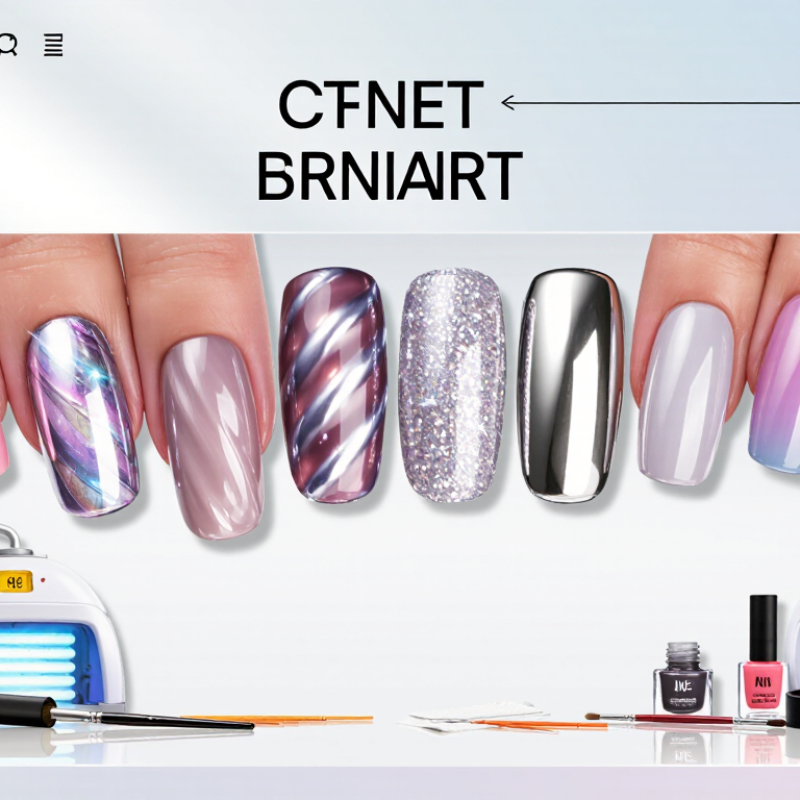
Gel polish basics start with chemistry and finish. The ten common types are clear gel, color gel, sheer gel, jelly gel, glitter gel, magnetic gel, cat-eye gel, rubber base gel, builder gel, and hard gel. Clear gel creates a transparent foundation. Color gel supplies opaque pigment. Sheer and jelly gels leave a glass-like wash of color. Glitter gel contains reflective particles, while magnetic and cat-eye gels form moving light bands under a magnet. Rubber base gel adds flexible support for thin nails. Builder gel builds controlled thickness. Hard gel creates stronger extensions and usually requires filing for removal.
The categories overlap. That matters. A “builder” formula may also be tinted, glittered, or soak-off. Check the technical sheet, not only the label. The International Organization for Standardization’s ISO 29621 guidance emphasizes product safety assessment and proper use conditions. Meanwhile, Grand View Research reports that growing salon services and home application are major drivers in the global nail products market. Market estimates vary widely, so one figure should not guide every purchase. A practical error is choosing a hard gel for flexible, peeling nails. It can feel secure, but poor preparation may encourage lifting. Cure time, lamp wavelength, viscosity, and removal method define performance. Thin layers usually cure more reliably. Even experienced users sometimes apply too much product. Less can be better. Read the manufacturer’s curing data and stop using any formula that causes persistent irritation.
| Type | What Defines It | Common Uses | Removal and Notes |
|---|---|---|---|
| 1. Soak-Off Color Gel Polish | A pigmented gel applied in thin coats and cured under a compatible UV or LED lamp. | Long-wearing color on natural nails or over an enhancement. | Many formulas are designed to soften with acetone after the surface seal is filed; follow the product’s removal instructions. |
| 2. Hard Gel | A durable gel used to create or reinforce nail enhancements; it is generally more rigid than soak-off color gel. | Extensions, overlays, and added structure. | Typically does not dissolve in acetone and is usually filed down by a trained nail professional. |
| 3. Builder Gel | A thicker gel formulated to add strength, structure, or length. Builder gels may be soak-off or hard gel, depending on the formula. | Strengthening overlays, shaping an apex, and sometimes building extensions. | Removal depends on whether the specific builder gel is soak-off or file-off; the product label determines the method. |
| 4. Builder-in-a-Bottle Gel (BIAB) | A brush-in-bottle builder gel format, commonly used to add strength to natural nails. Formulas vary in flexibility and removal method. | Natural-nail overlays and short, structured manicures. | Some versions are soak-off and others require filing; avoid assuming all BIAB products remove the same way. |
| 5. Rubber Base Gel | A flexible, often thicker base gel designed to move with the natural nail and provide a smooth foundation. | A base layer for gel color or light reinforcement of flexible nails. | Usually used as part of a layered manicure; curing and removal should follow the formula’s instructions. |
| 6. Gel Base Coat | A thin bonding layer applied before gel color to help the manicure adhere to the nail or prepared enhancement. | Creating the foundation of a gel polish service. | Normally cured before color is applied. It is not generally intended to be worn as a standalone color coat. |
| 7. Gel Top Coat | A clear finishing gel that seals the manicure and provides a chosen surface effect, such as glossy or matte. | Protecting color and finishing a gel manicure. | Some top coats leave a tacky inhibition layer that is wiped off; others are no-wipe. Check the product directions. |
| 8. One-Step Gel Polish | A simplified gel system designed to combine multiple manicure steps, often reducing the need for separate base or top products. | Quick, streamlined gel manicures when used as directed. | Application and removal vary by formulation; use only the steps specified for that system. |
| 9. Cat-Eye (Magnetic) Gel Polish | Gel containing magnetic particles that can be moved with a magnet before curing to create a band or shifting light effect. | Decorative finishes with a dimensional, reflective appearance. | The desired effect is shaped before the layer is cured. The underlying formula determines removal. |
| 10. Glitter or Shimmer Gel Polish | Pigmented gel with reflective glitter, shimmer, or other decorative particles suspended in the formula. | Accent nails, full-coverage sparkle, or layered nail art. | Particle density can affect how smoothly it applies. Use the curing and removal method specified for the product. |
Note: Gel products require the lamp type and curing time specified by their manufacturer. Avoid skin contact with uncured gel, and do not peel or force product off the nail.